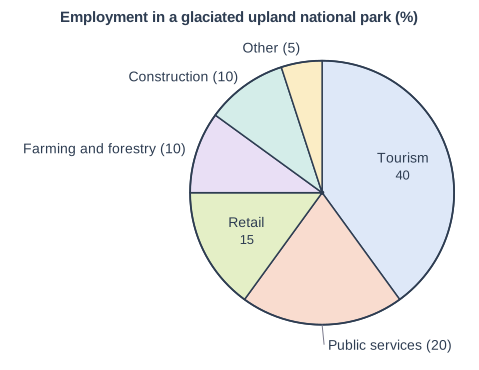
Explain why proposals for new tourist developments in glaciated upland areas often cause conflict between development and conservation. Use examples in your answer.
Model answer
Glaciated uplands such as the Lake District and the Cairngorms are national parks, which have two purposes: to conserve the landscape and wildlife, and to help people enjoy it. New tourist developments create conflict because these purposes can clash.
Developers and many local businesses support new attractions because they bring jobs and income, attract new types of visitor such as younger, adventure-seeking tourists, and can extend the tourist season into the winter. Conservationists argue that developments spoil the natural beauty and peace that make these areas special. Buildings, cables and car parks are visually intrusive, construction damages habitats, and the extra visitors increase traffic and footpath erosion.
For example, in 2017 a company proposed zip wires across Thirlmere in the Lake District. Supporters said it would create jobs, but conservation groups such as Friends of the Lake District argued that it would ruin a quiet valley in a World Heritage Site, and the plan was withdrawn. Similarly, the Cairngorm funicular railway, opened in 2001, was opposed because of fears that visitors would damage the fragile arctic-alpine plateau; to reduce this, summer passengers were not allowed out at the top station.
When the two aims cannot be balanced, national park authorities usually give conservation priority, which is why many proposals are refused or changed.
Explanation
Level 3 answers explain both viewpoints (economic benefits for developers, landscape and wildlife protection for conservationists) and why they cannot easily be reconciled, using real examples. Simply listing the good and bad points of a development, without explaining the conflict, stays in Level 1 or 2.